What Childhood Trauma Really Looks Like (and How Therapy Helps)
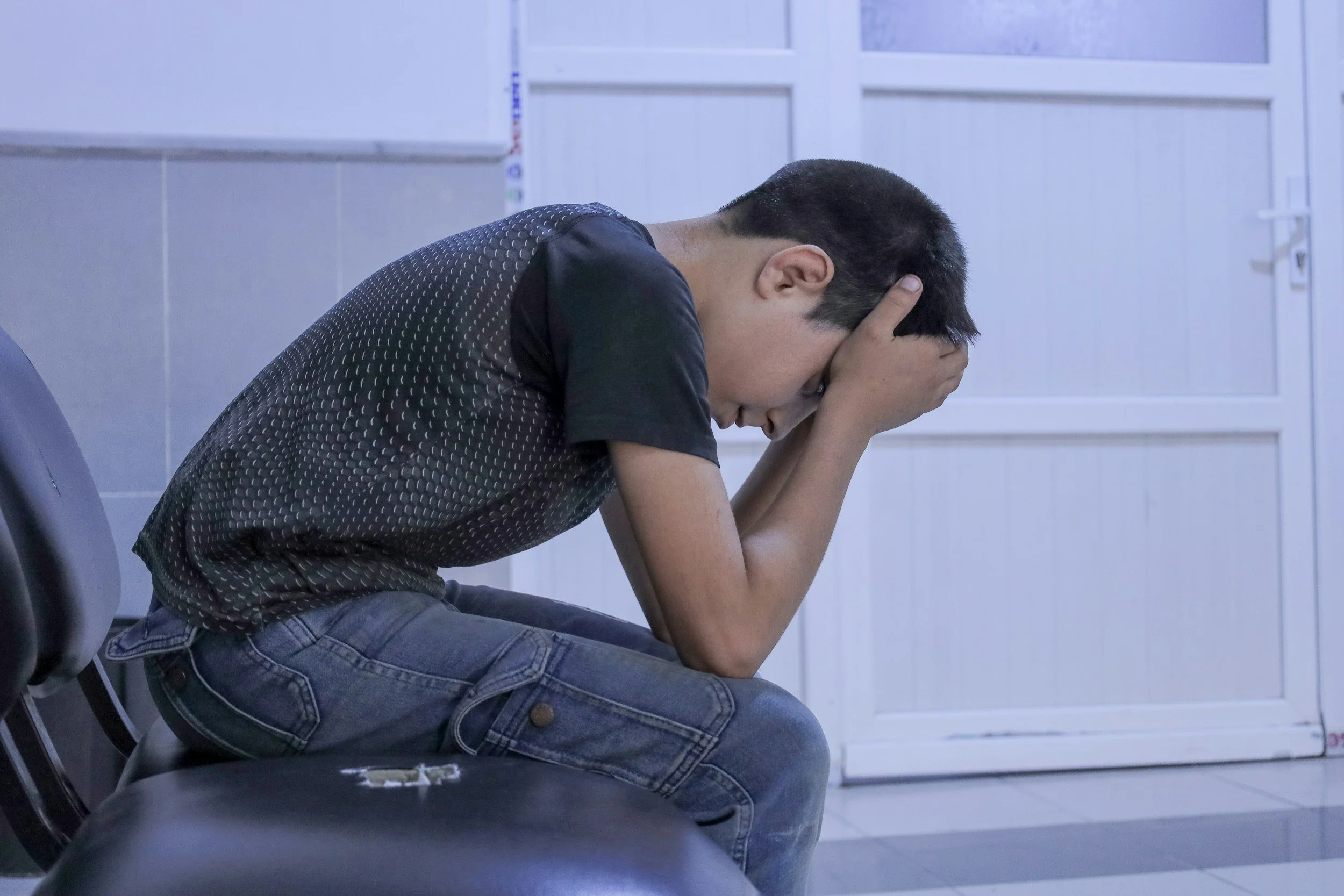
Insights from a Florida Therapist Who Works with Children, Teens, and Young Adults
When people hear the word trauma, they often think of something dramatic that happens later in life (an accident, a loss, or a major crisis). But for many individuals, trauma begins much earlier, during childhood, when the brain and nervous system are still developing.
Through my work as a former kindergarten teacher, school counselor, and now a therapist supporting children from kindergarten through college-aged young adults, I’ve seen this firsthand. Early experiences matter and the way we support children through them can shape their emotional health for years to come.
Childhood Trauma Looks Different Than Adult Trauma
Children don’t experience or express trauma the same way adults do (and that’s where misunderstandings often happen 🤍).
Stressful or overwhelming experiences like loss, family instability, neglect, bullying, or ongoing unpredictability can deeply impact a child, even if adults around them believe they are “too young to remember”.
Research shows that early adversity can affect:
Emotional regulation
Attention and learning
Relationships and attachment
Physical health and stress responses
Children aren’t born knowing how to cope with these experiences. Resilience is something that’s learned through safe relationships and supportive environments
Why Talk Therapy Isn’t Always Enough for Kids
Adults often heal through talking, but children don’t always have the language to explain what they feel or what they’ve been through.
Instead, children communicate through play, movement, art, and imagination 🎭🖍️
Play is not “just fun”…it’s how children:
Process overwhelming experiences
Regain a sense of control
Express emotions safely
Make sense of the world around them
In therapy, play allows children to work through experiences at their own pace, without being pressured to explain or perform emotionally.
This is especially important for children who have experienced trauma, anxiety, or chronic stress.
Trauma or ADHD? Looking Beneath the Behavior
In schools and homes, trauma responses are often mistaken for behavioral or attention problems 😕
Children who are hypervigilant, impulsive, disconnected, or unable to focus are sometimes quickly labeled without asking why.
Trauma can show up as:
Restlessness or constant movement
Difficulty concentrating
Emotional outbursts or shutdowns
Forgetfulness or disorganization
As a therapist who has worked inside school systems, I’ve seen how easily children’s stress responses can be misunderstood and how damaging that can be when the root cause goes unaddressed.
Healing starts when adults shift from “What’s wrong with this child?” to “What might this child be responding to?”
How Caregivers and Schools Can Support Healing
Children heal best when the adults around them respond with curiosity, consistency, and compassion.
Trauma-informed support doesn’t require perfection but it requires awareness.
Supportive steps include:
Creating predictable routines
Allowing emotional expression without punishment
Offering choices to build a sense of control
Partnering with a therapist who understands child development and trauma
When children feel emotionally safe, their nervous systems begin to settle. And then learning, connection, and growth can (and will!) follow.
Therapy for Children, Teens, and Young Adults in Florida
In my private practice, I work with children, adolescents, and college-aged young adults across Florida who are navigating:
Anxiety and emotional overwhelm
Trauma and adverse childhood experiences
School stress and burnout
Life transitions and identity development
Whether your child struggles to explain their feelings or your teen seems shut down or reactive, therapy can provide a space where healing feels safe and age-appropriate.
Final Thoughts
Childhood trauma isn’t something children simply “grow out of” but with the right support, they can grow through it.
Play, connection, and trauma-informed care give children the tools they need to build resilience that lasts a lifetime.
If you’re looking for a Florida therapist who understands child development, school systems, and the emotional needs of children and young adults, you don’t have to navigate this alone 🤍