Overfunctioning for Everyone Else
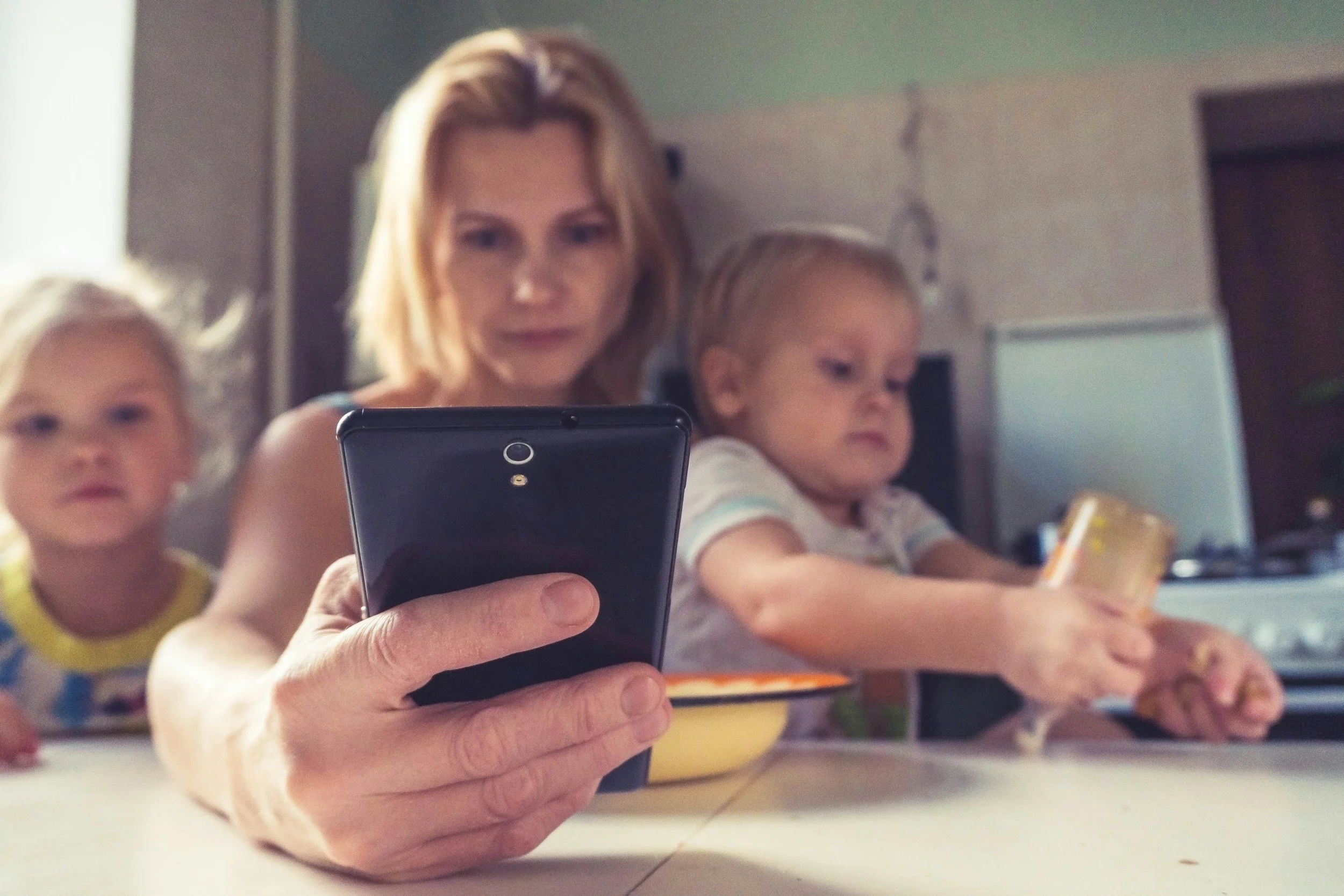
If you’re a high-achieving woman with anxiety, chances are you’re excellent at showing up for other people.
You remember birthdays. You anticipate needs. You keep things running smoothly at work, at home, and in your relationships.
You’re organized, dependable, and often the emotional barometer of the room.
But when it comes to spending time alone (not scrolling, not catching up on tasks, not doing something useful…) you feel oddly stuck.
Not because you don’t want rest. But because your nervous system isn’t used to prioritizing you.
What Overfunctioning Really Looks Like
Overfunctioning doesn’t always mean doing too much.
Often, it means:
Taking responsibility for other people’s emotions
Managing details so others don’t have to
Staying mentally “on” even when nothing urgent is happening
Feeling uneasy when you’re not needed
Many high-achieving women developed these patterns early. Being helpful, mature, or emotionally aware may have earned praise or kept the peace.
Then, over time, overfunctioning becomes your default setting.
Why Solo Activities Can Feel Uncomfortable
When you’re used to orienting outward, turning inward can feel surprisingly hard.
You might notice thoughts like:
This feels selfish.
I should be doing something productive.
What’s the point of this?
That discomfort isn’t laziness or a lack of discipline.
It’s a nervous system that learned safety through usefulness and connection, not rest or solitude.
So when you try to slow down or do something just for yourself, your body may respond with restlessness, guilt, or irritability.
The Cost of Constantly Overfunctioning
When your energy is consistently directed toward others, it leaves very little room to check in with yourself.
Over time, this can show up as:
Irritability and snapping over small things
Overthinking conversations and decisions
Perfectionism and fear of disappointing others
Feeling disconnected from what you actually want
These aren’t personal flaws. They’re signals that your system needs more balance.
But often, for overfunctioning women, solo time often gets framed as something you earn after everything else is done.
But solo activities aren’t a reward. And they’re not a self-improvement project.
They’re a way to practice being with yourself without performing, fixing, or anticipating.
Solo Date Ideas (That Aren’t About Productivity)
If the idea of “me time” feels vague or overwhelming, think small and specific.
Here are some solo date ideas designed to feel regulating, not performative:
Sitting in a coffee shop without your laptop
Taking a walk without tracking steps or listening to a podcast
Driving with the windows down and no destination
Browsing a bookstore with no intention to buy anything useful
Stretching or lying on the floor with calming music
Journaling freely (no prompts, no goal mapping)
Watching a show just because it feels comforting
If your brain says, “This feels unnecessary,” that’s often a sign you’re interrupting an old pattern.
How Therapy Helps with Overfunctioning and Anxiety
Therapy for high-achieving women isn’t about doing less or caring less.
It’s about learning to:
Notice when you’re automatically overfunctioning
Reduce anxiety-driven overthinking
Tolerate rest, solitude, and stillness without guilt
Reconnect with your own needs and preferences
Build routines that include you, not just everyone else
For many women, therapy becomes the first space where they don’t have to manage anyone else.
You’re Allowed to Take Up Space in Your Own Life
If you’ve been waiting until things calm down or until everyone else is okay before focusing on yourself, this is your permission slip.
You don’t have to stop being capable. You don’t have to stop being caring.
You just get to practice being included.
Looking for Therapy in Florida?
I help high-achieving women in Florida who struggle with anxiety, overthinking, perfectionism, and overfunctioning in relationships.
If you’re ready to stop carrying everything alone, therapy can help.